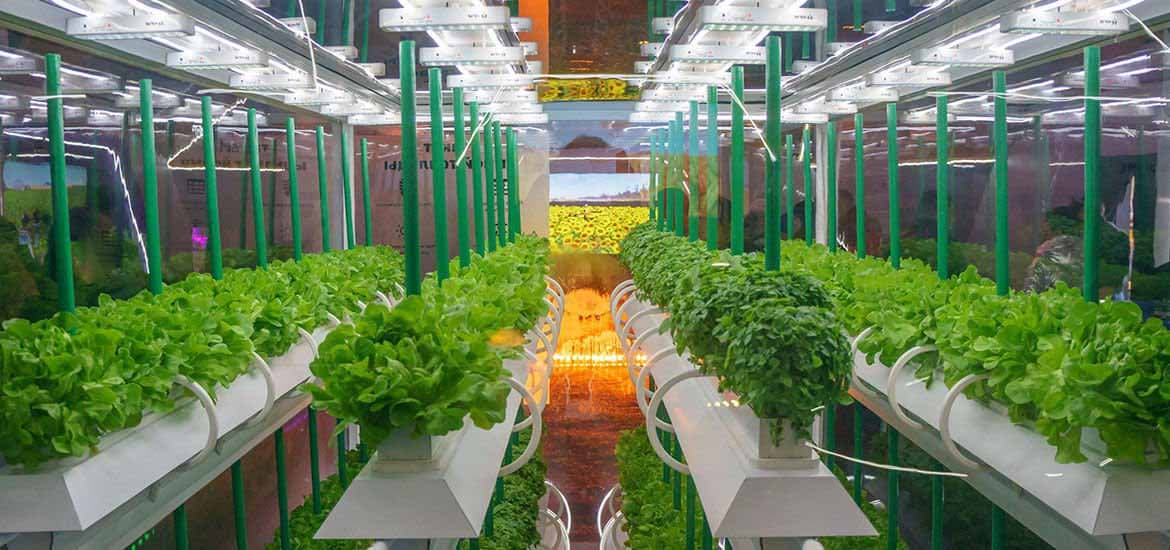
Can Your Vertical Farm Survive Singapore’s Corporate Jungle?
Your hydroponic system produces perfect lettuce. Your indoor farm technology could feed thousands. That aquaponics setup you’ve designed? Absolutely revolutionary.
But here’s the brutal reality: innovative farming technology means nothing if your company structure can’t access grants, secure proper licensing, or attract the investment your venture desperately needs.
Singapore has committed billions to food security through its “30 by 30” goal—producing 30% of nutritional needs locally by 2030. The opportunity for agri-tech companies is massive. Yet many agricultural entrepreneurs stumble during incorporation, making mistakes that lock them out of government support programmes or complicate future funding rounds.
You’re not just starting another business. You’re entering a highly regulated sector with specialized licensing requirements, substantial grant opportunities, and unique compliance obligations. This guide reveals what agri-tech and vertical farming companies must know before incorporating in Singapore—from entity selection through grant access and ongoing regulatory compliance.
Why Agri-Tech Companies Need Different Incorporation Strategies
What makes agricultural technology businesses different from standard startups?
The answer lies in regulatory complexity, grant programme eligibility, food safety requirements, and funding structures that typical companies never encounter.
Most tech startups incorporate and start building immediately. Not agri-tech ventures. You’ll need specific approvals before producing food commercially, environmental assessments for certain technologies, and compliance frameworks that satisfy both agricultural regulators and food safety authorities.
Here’s the thing: your corporate structure determines grant eligibility from day one. Singapore’s extensive agri-tech support programmes have strict requirements about company age, shareholder composition, local operations, and business focus. Getting incorporation wrong can eliminate access to millions of dollars in potential funding.
Piloto Asia understands these nuances. Whilst they handle all types of company incorporation, their experience with innovative business models means they can guide agri-tech entrepreneurs through requirements that generic providers often miss entirely.
Choosing the Right Entity Structure for Food Production
Should you incorporate as a private limited company, partnership, or something else?
For agri-tech ventures pursuing government grants and investor funding, there’s really only one answer: private limited company (Pte Ltd). This structure unlocks critical advantages that agricultural technology companies need.
Grant eligibility requires corporate structure for most programmes. SFA’s (Singapore Food Agency) 30×30 Express grants, Enterprise Singapore’s innovation funding, and similar schemes typically mandate Pte Ltd entities with substantial Singapore operations. Sole proprietorships and foreign companies often don’t qualify.
Equity financing works smoothly through Pte Ltd structures. Agri-tech ventures need significant capital for technology development, facility setup, and scaling operations. Venture capitalists and impact investors expect this entity type. You can issue different share classes, accommodate ESOP (Employee Stock Ownership Plans), and structure complex funding rounds.
Intellectual property protection strengthens when technology belongs to the corporation rather than individual founders. Your vertical farming systems, IoT sensors, or proprietary growing methods need corporate ownership for future licensing deals or technology sales.
Limited liability shields personal assets from agricultural risks. Food safety incidents, crop failures, or technology malfunctions create potential liabilities. Corporate structures contain these risks, protecting founders’ personal wealth.
The exception? Academic research projects sometimes start differently, but most transition to Pte Ltd before commercialization.
Navigating SFA Licensing and Food Safety Requirements
Let’s address what keeps agri-tech founders awake: regulatory compliance.
Business registration Singapore represents just the beginning. Operating an agri-tech company producing food requires SFA approval and ongoing compliance with food safety regulations.
Farm registration becomes mandatory before commercial production. SFA classifies operations as farms based on production volume and methods. Even indoor vertical farms need proper registration, facility inspections, and approval before selling produce.
Food safety protocols must be established and documented. Good Agricultural Practice (GAP) certification isn’t always legally required, but it becomes practically necessary for selling to major retailers or food service companies. Your incorporation planning should include budgeting for these certifications.
Traceability systems are expected across Singapore’s food supply chain. Your agri-tech company needs systems tracking produce from growing through distribution. This requirement affects your technology choices and operational procedures from day one.
Import/export considerations apply if you’re bringing in growing substrates, seeds, or specialized agricultural inputs. Some materials require permits. Others face restrictions. Check these requirements during incorporation planning, not after ordering supplies.
Sound familiar? Many agri-tech entrepreneurs incorporate quickly, then discover they can’t operate legally without months of additional approvals.
Accessing Singapore’s Agri-Tech Grant Ecosystem
Why struggle with funding when Singapore offers substantial agricultural innovation support?
The government actively funds food security initiatives through various programmes, but accessing these grants requires proper corporate structure and documentation from incorporation.
| Grant Programme | Funding Amount | Eligibility Requirements | Best For |
| 30×30 Express | Up to 70% of costs (capped) | Singapore-registered companies, local food production | Scaling proven farming systems |
| Agri-Food Cluster Transformation (ACT) Fund | Up to S$10 million | Companies committed to local production capacity | Large-scale farming operations |
| Enterprise Development Grant (EDG) | Up to 70% of qualifying costs | SMEs, Singapore operations | Technology development, automation |
| Productivity Solutions Grant (PSG) | Up to 80% for specific solutions | SMEs, approved technology solutions | Adopting proven agri-tech systems |
Most programmes require Singapore-incorporated companies with substantial local operations. Your company structure, paid-up capital, and shareholder composition directly affect eligibility.
Application timelines stretch for months. Budget 3-6 months from application to approval for most programmes. This doesn’t work if you’re rushing incorporation at the last minute without understanding grant requirements.
Piloto Asia helps agri-tech companies structure their incorporation to maximize grant eligibility, ensuring corporate documents align with programme requirements from the start.
Foreign Founders and Singapore’s Agri-Tech Opportunity
Can international agricultural innovators establish companies in Singapore?
Absolutely. Singapore actively recruits global agri-tech expertise to achieve food security goals. But there are specific requirements and considerations for foreign founders.
Every company needs at least one local director who is a Singapore citizen, permanent resident, or EntrePass holder ordinarily resident in Singapore. For agri-tech companies pursuing grants, this local director should have genuine involvement, not just serve as a nominee.
Foreign shareholders can own 100% equity, which appeals to international agri-tech operators maintaining control of their proprietary technology and methods. Your expertise from running vertical farms in the Netherlands, aquaponics systems in Australia, or insect protein facilities in Europe transfers to Singapore whilst you appoint a qualified local director.
Work visas require demonstrating value to Singapore’s food security objectives. EntrePass applications from agri-tech founders receive favorable consideration when aligned with 30 by 30 goals. Employment Pass applications need proof of relevant expertise and salary meeting minimum thresholds.
Grant programmes often favor local operations and may require majority local ownership for maximum funding. Understanding these nuances during incorporation planning prevents restructuring headaches later when pursuing grants.
Piloto Asia’s immigration support helps agri-tech founders secure appropriate work authorization whilst coordinating company incorporation, ensuring both processes are completed efficiently.
Intellectual Property Strategy for Agricultural Innovation
Here’s what matters most: protecting your farming innovations from day one.
Your ACRA Singapore registration won’t protect your IP, but how you structure incorporation determines your ability to secure and monetize agricultural technology later.
Patent considerations apply to novel growing systems, automation technology, or unique cultivation methods. Your company should own these patents, not individual founders. Clear IP assignment agreements executed at incorporation prevent disputes when investors or partners appear.
Trade secrets protection becomes critical for proprietary growing formulas, environmental control algorithms, or supplier relationships that create competitive advantages. Your company constitution should address confidential information handling and employee invention assignments.
Plant variety rights protect new crop varieties developed through your R&D efforts. Singapore participates in international plant variety protection systems. Your corporate structure should accommodate these specialized IP registrations.
Technology licensing potential depends on clean IP ownership. Food companies or farming operators won’t license technology from ventures with murky ownership chains. Investors won’t fund companies where IP rights remain unclear or individually held.
Planning IP ownership during incorporation—not after technology development—prevents expensive restructuring when opportunities arise.
Real Estate and Facility Considerations for Agri-Tech
Let’s talk about something that derails many agri-tech ventures: finding suitable space.
Your company might be perfectly incorporated, but if you can’t secure appropriate facilities, the business fails before producing a single crop.
Industrial zoning requirements typically apply to agri-tech operations. Urban farming facilities need spaces zoned for agricultural or industrial use. Residential or commercial zones often prohibit food production activities. Verify zoning with URA (Urban Redevelopment Authority) before committing to locations.
Structural requirements vary by farming method. Vertical farms need adequate ceiling height for multi-tier systems. Aquaponics operations require floor load capacity for water-filled tanks. Insect farming needs specialized containment meeting SFA requirements.
Utility infrastructure becomes critical. Indoor farms consume substantial electricity for lighting and climate control. Ensure an adequate power supply exists or budget for electrical upgrades. Water supply and drainage capacity matter enormously for hydroponic and aquaponic systems.
Lease terms should account for longer setup periods and specialized modifications. Landlords might resist agricultural uses due to humidity concerns, perceived pest risks, or modification requirements. Negotiate terms that accommodate your operational needs whilst addressing landlord concerns.
Want to know the secret? Identify suitable facilities before finalizing incorporation details. Your business activities description and operational plans should align with actual feasible locations.
Managing Ongoing Compliance and Food Safety Standards
Your obligations don’t end when you start growing.
Agri-tech companies face ongoing compliance requirements beyond normal corporate duties. Annual returns represent basic obligations every company meets. Food production businesses add layers of sector-specific compliance.
Regular SFA inspections occur for registered farms. Inspectors examine facilities, review food safety procedures, and verify compliance with approved operations. Serious violations can result in suspension or license revocation.
Record keeping requirements extend beyond standard accounting. You’ll maintain production records, input usage logs, pest control documentation, and traceability data. SFA can request these records during inspections or investigations.
Product testing obligations apply to certain crops or production methods. While not always mandatory for all produce, major buyers often require regular testing for pesticides, heavy metals, and microbial contamination. Budget for these ongoing costs.
License renewals occur periodically. Maintain current insurance, updated food safety plans, and compliance with any new regulations introduced since initial approval.
Piloto Asia’s company secretary services help agri-tech firms maintain proper governance whilst founders focus on agricultural innovation and production.
Funding Strategies Beyond Government Grants
Here’s the thing: grants alone rarely provide sufficient capital for agri-tech ventures.
Singapore’s agri-tech ecosystem includes impact investors, family offices, and venture funds specifically interested in food security solutions. Your corporate structure should accommodate various funding sources.
Impact investors focus on ventures solving genuine problems whilst generating returns. Food security clearly qualifies. These investors often accept lower returns than traditional VCs but demand rigorous impact measurement. Your company structure should facilitate impact reporting from incorporation.
Strategic investors from food companies, retailers, or property developers see value in securing future food supplies or developing agricultural real estate. These partnerships require flexible corporate structures accommodating unusual deal terms.
Crowdfunding platforms increasingly feature agri-tech ventures, particularly consumer-facing brands selling directly to customers. Singapore’s equity crowdfunding regulations require proper corporate structures and disclosures.
Bank financing remains challenging for agri-tech startups given limited tangible collateral and extended payback periods. However, government-backed loan schemes sometimes support agricultural innovation.
Structuring your company to accommodate multiple funding sources—simultaneously or sequentially—provides flexibility as your venture evolves.
Common Mistakes That Cost Agri-Tech Companies Dearly
You might feel overwhelmed by the complexity. That’s completely normal.
Most agri-tech incorporation failures stem from predictable mistakes that proper planning prevents.
Ignoring grant eligibility requirements during incorporation means discovering too late that your corporate structure disqualifies you from major funding programmes. Research grant requirements before finalizing incorporation details.
Underestimating capital needs leads to undercapitalized companies that can’t credibly pursue grants or partnerships. Agri-tech ventures need capital for R&D, facility setup, certifications, and operating expenses during extended ramp-up periods. S$100,000-500,000 minimum is typical.
Choosing inappropriate facilities wastes enormous capital. That cheap warehouse in a residential area? It’s probably not zoned for food production. Verify zoning and obtain landlord approval for agricultural use before signing anything.
Neglecting food safety planning causes operational delays when SFA approval takes longer than expected. Build food safety protocols into your operational planning from incorporation, not as an afterthought.
The solution? Partner with corporate service providers who understand specialized business requirements and can coordinate incorporation with grant strategy and regulatory planning.
Frequently Asked Questions
How long does agri-tech company incorporation take in Singapore?
Basic incorporation takes 1-3 business days through BizFile+. However, becoming operational requires much longer. Expect 2-4 weeks for complete company setup, including proper constitution drafting and local director appointment. Add 4-8 weeks for SFA farm registration and facility approval. Grant applications take 3-6 months. Total timeline from incorporation to production: 4-9 months minimum for most agri-tech ventures.
Can foreign agri-tech companies access Singapore government grants?
Some grant programmes accept foreign companies with substantial Singapore operations, but most favor Singapore-incorporated entities with majority local ownership or significant local presence. The 30×30 Express specifically targets companies producing food in Singapore. Foreign companies can participate by establishing proper Singapore subsidiaries with local operations. Grant amounts and approval likelihood often improve with greater local commitment and ownership.
Do all vertical farms need SFA licensing in Singapore?
Commercial food production requires SFA registration regardless of farming method. Even small-scale vertical farms selling produce need proper licensing. The exception is home gardens for personal consumption or research projects not selling products commercially. If you’re producing food for sale—whether to retailers, restaurants, or consumers—you need SFA approval. This applies to vertical farms, rooftop gardens, aquaponics systems, and all commercial agricultural operations.
Your Agri-Tech Vision Needs Solid Corporate Roots
Singapore’s commitment to food security creates unprecedented opportunities for agricultural innovators.
The incorporation process demands more attention than typical startups, but getting it right unlocks access to grants, partnerships, and growth opportunities that fuel agri-tech success. Your corporate structure either enables or constrains your agricultural ambitions.
From grant eligibility through food safety compliance, facility planning to IP protection, every incorporation decision ripples through your company’s future. The complexity is real, but so are the rewards for ventures that establish proper foundations.
Piloto Asia specializes in helping innovative companies navigate Singapore’s incorporation requirements. Their comprehensive approach coordinates corporate structure, grant strategy, and regulatory planning—particularly valuable for agri-tech ventures balancing agricultural expertise with business development.
Ready to transform your vertical farming innovation into a properly structured Singapore company? The agri-tech revolution continues, but only companies with solid corporate foundations capture the opportunity. Don’t let incorporation complexity delay your contribution to Singapore’s food security future.