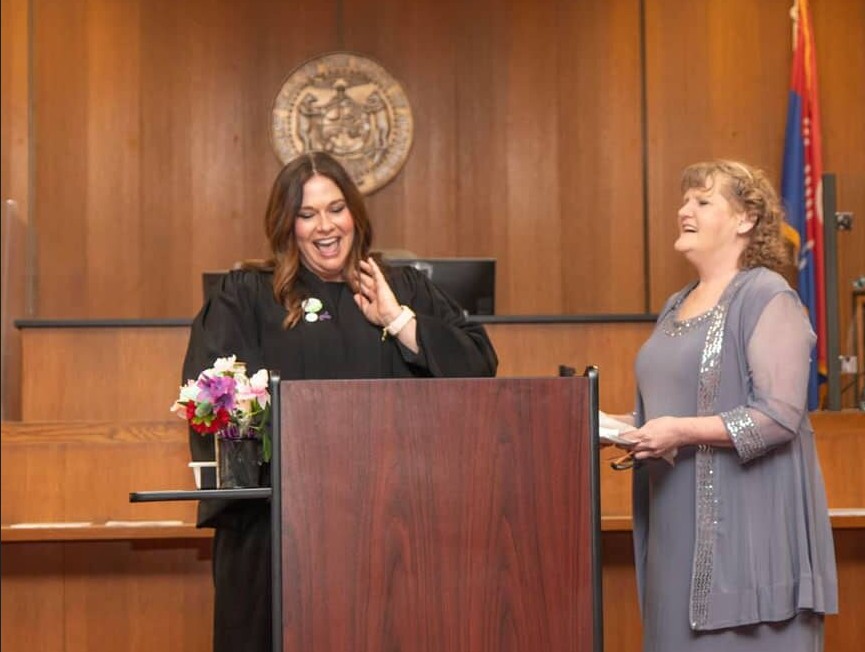
Punishment is generally the first thing that comes to mind when people think of the legal system. But a lot of the courts are now going the other way. They are about helping people turn their life around, not doing time. That’s the premise of the Wellness Court programs in Kansas City. These programs understand a basic truth: that many legal difficulties are a symptom of deeper problems. Often, substance usage, mental health problems, trauma and insecure living situations are significant factors in criminal activity. As long as those core factors are left alone, the cycle continues to persist. Kansas City Specialty Courts were established to tackle those issues. They are not simply seeking responsibility, but real recovery and change for the better.”
Looking past the charge
Here’s the deal. A court case is simply one chapter in a person’s story. Someone who is charged may also be struggling with addiction, untreated mental health issues, family issues or housing problems. Court proceedings are typically concerned with the offense itself. Wellness Courts take a wider view. Participants are offered organized programs that include judicial monitoring as well as treatment and support services. They have regular meetings with court staff, counselors and therapy professionals. We watch the progress attentively but the emphasis is still on support. Or suppose you have a leaky roof to fix. A bucket under the drip may be useful for a time, but the main problem is at the source .
How Kansas City specialty courts help recovery
Kansas City Specialty Courts is a multi-disciplinary team effort. Judges, attorneys, treatment providers, probation officers and community partners all work together as a team. It’s not a one-man show. It’s a collective. Participants may be given:
- Substance abuse treatment
- Counseling for mental health
- Drug & alcohol testing
- Educational support
- Support for employment
- Education on life skills
- Housing resources:
These services are given to participants to create a solid foundation. There’s rarely one regimen that does the trick for recovery. It requires numerous supports to work in concert. That’s why Specialty Courts look at the full person, not just one legal issue.
Accountability still counts
Some people think rehabilitation is being soft. No, that’s not true. Wellness Courts have high expectations. Participants must attend treatment sessions, appear regularly in court, follow the requirements of the program and show progress. When setbacks happen, there can be consequences. At the same time, accomplishments are recognized and appreciated. This balance is important. Responsibility for actions is coupled with giving people the means to make better choices in the future. It’s an arduous procedure. In many circumstances it is more rigorous than regular monitoring.
Why rehab is good for the community
Recovery is not just the individual participant. Communities often notice good results when people successfully complete Wellness Court programs. Families get stronger. Employment rates improve benefits to public safety. Demand at correctional facilities could decline. You know what? Most individuals want the same fundamental things. They want a solid career, a safe home and an opportunity to get ahead. Wellness Courts are one avenue to assist establish pathways toward such goals. This can lead to fewer repeat offenses and healthier neighborhoods.
A Community Effort That Matters
“No rehab program works in a vacuum. Community organizations, treatment centers, employers, volunteers, and local advocates all have a vital role to play. This support system is in place to keep participants engaged and oriented toward long-term success. Groups like Beyond the Bench KC are dedicated to raising awareness of the rehabilitative mission of Kansas City Specialty Courts. Their work underscores the need for justice to address root causes and create space for lasting change. That mission is a sign of an increasing awareness of what good justice can be. Not just about responding to wrongdoing. It is about helping people to rebuild their lives and make a positive contribution to their communities.
The Way Forward
Recovery is rarely a straight path. There are challenges, there are setbacks, there are hard times along the way. But for many participants, Wellness Court programs offer structure, advice and support when they need it the most. Kansas City Specialty Courts are still showing how rehabilitation and accountability may work together. These programs focus on therapy, personal development and community support and allow individuals to move toward healthier and more productive futures. For many participants, that second chance represents the start of a completely different chapter.
Frequently Asked Questions
1. What is a Wellness Court program?
A Wellness Court program is a specialty court that includes treatment, monitoring, and support services for individuals whose legal troubles are tied to substance use, mental health concerns, or similar obstacles.
Detailed Answer:
Participants follow a planned plan that may involve counseling, treatment programs, court appearances, and regular progress evaluations. The goal is to address the causes of criminal conduct and reduce future participation with the legal system.
2. How do Kansas City Specialty Courts vary from ordinary courts?
Kansas City Specialty Courts focus on rehabilitation alongside accountability.
Detailed Answer:
Traditional courts generally establish legal results and fines. Specialty Courts add treatment, rehabilitation services, and ongoing supervision to help individuals achieve permanent changes and avoid repeat offenses.
3. Eligibility for Wellness Court Programs?
Eligibility is a case of individual and requirements of court.
Detailed Answer:
Some defendants do not qualify. Before a decision is made as to whether or not someone may join, courts evaluate variables such as criminal background, current charges, treatment needs and program conditions.
4. Do participants still have to face the repercussions of breaching rules?
Yes. Accountability continues to be a key feature of the program.
Detailed Answer:
Participants will need to meet court expectations. There may be fines for missed appointments, failed tests or other breaches. Positive progress and milestones are also acknowledged throughout the program.
5. How does rehabilitation benefit the community?
The benefits of a successful rehabilitation may reach beyond the participant.
Detailed Answer:
Those who receive help and assistance are more likely to stay in work, improve family connections and avoid future legal problems. That means communities are safer and public resources are less taxed.